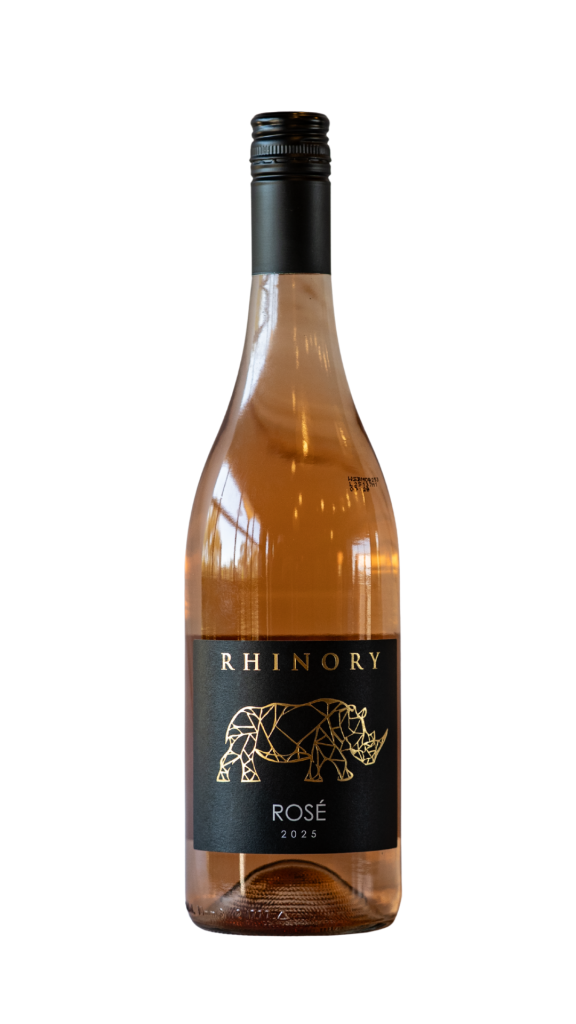
Tasting Notes: Vibrant and expressive, the nose opens with aromas of ripe Amaou strawberry and crème de framboise, layered with hints of pink navel orange and freshly baked rhubarb pie. The palate is bright and energetic, balancing juicy red berry fruit with lively citrus notes reminiscent of Meyer lemon curd. Fresh acidity provides lift and precision, carrying the wine through a long, refreshing finish that is both fruit-driven and beautifully poised.
More Information: Rosé production is often described as one of the most technically demanding disciplines in winemaking because every decision—from harvest timing to skin contact duration—has a profound impact on the finished wine. The goal is not simply to create a lighter red wine, but rather to craft a wine that captures the freshness of a white wine while preserving the fruit character and texture that come from red grapes.
The grapes for this wine were harvested at approximately 20–21° Balling (roughly equivalent to 20–21° Brix), intentionally earlier than would be typical for many red wine programs. Harvesting at this stage helps preserve bright acidity, fresh fruit character, and the delicate aromatic profile that defines high-quality rosé. This earlier harvest also contributes to the wine’s vibrant color and refreshing structure.
After harvest, the grapes underwent a brief period of skin contact. While many red wines spend days or even weeks in contact with their skins, this rosé spent only a short period extracting color and flavor before the juice was separated from the skins. This limited maceration is responsible for the wine’s delicate strawberry-pink hue and allows the fruit character to remain fresh and elegant rather than becoming overly structured or tannic.
Fermentation took place entirely in stainless steel tanks at cool temperatures between 14–16°C (approximately 57–61°F). Cool fermentation is particularly important in rosé production because it preserves the fresh fruit aromatics and delicate floral characteristics that can easily be lost at warmer temperatures. Stainless steel further emphasizes purity and freshness by eliminating any influence from oak.
No malolactic fermentation was allowed to occur. By preventing the conversion of sharper malic acid into softer lactic acid, the winemaking team preserved the wine’s natural brightness and refreshing acidity. This decision plays a significant role in the wine’s energetic character and helps create the crisp finish that makes rosé such a versatile food wine.
South Africa has become increasingly recognized for producing world-class rosés, benefiting from a Mediterranean climate and abundant sunshine tempered by cooling ocean influences. These conditions allow fruit to achieve excellent flavor development while retaining enough acidity to create wines that are both expressive and refreshing.
The result is a rosé that balances ripe fruit with freshness and precision. It offers the vibrant berry character that rosé lovers seek while maintaining the acidity and structure necessary to make it a serious food wine as well as a refreshing glass on its own.